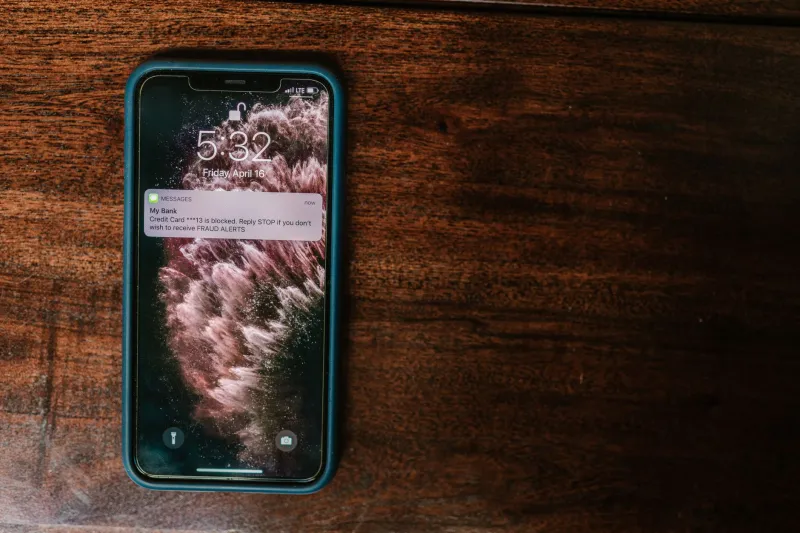
The Almost-There Tax: Why a 4,900-Coin Balance Can Cost More Than Zero
Almost-there balances are designed to feel temporary. You are not stuck; you are one small task away. That framing is powerful because it turns a locked balance into a personal challenge. But a 4,900-coin balance against a 5,000-coin minimum is not a challenge. It is a pricing decision made by the platform, and the only question that matters is whether closing the gap is worth more than the reward itself.
The psychology of the last 100 coins
Reward programs lean on a well-known quirk of human motivation: the closer a goal looks, the harder we push to finish it. Researchers call it the goal-gradient effect. Casinos call it a reason to keep playing. Reward apps call it engagement.
There is also sunk cost. If you have already watched dozens of ads, completed surveys, or logged daily check-ins, the 4,900 coins in your account feel earned. Walking away feels like wasting that effort. The platform does not need to force you to spend money. It only needs to make the gap small enough that spending feels reasonable.
That is why the last 100 coins are often the worst-paying coins in the entire program. The first 4,900 might have come from easy daily tasks. The final 100 may require a long survey, a trial subscription, or a purchase. The closer you get, the more the platform can ask.
The math: gap value versus locked value
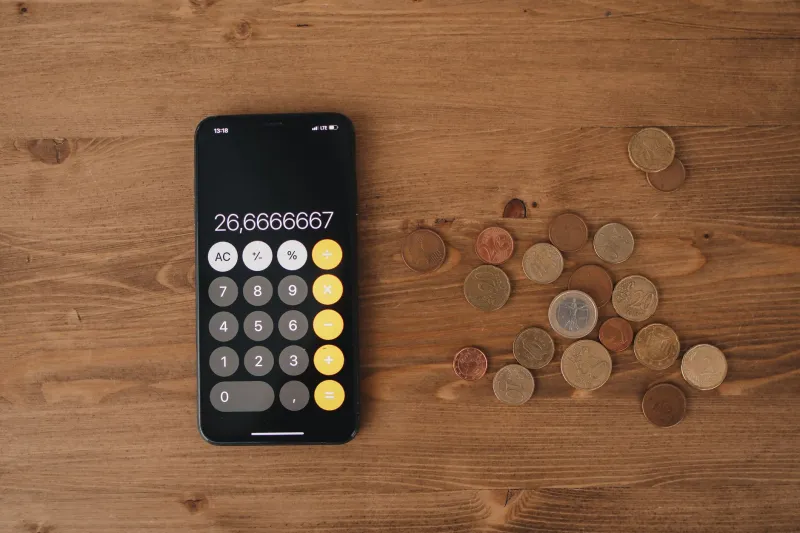
Start with a simple conversion. If 5,000 coins redeem for a $5 gift card, then one coin is worth one-tenth of a cent. A 100-coin gap is worth 10 cents in nominal terms. That is the number the program wants you to ignore.
The more useful number is the value of the locked reward. In this example, it is $5. Suddenly, a $1.99 purchase to earn 150 bonus coins does not look terrible: you spend $1.99 to unlock $5. But that math only works if you ignore the time you already spent and the cash you are now adding. It also encourages a second bad decision: paying real money to rescue a free balance.
A better break-even test is this: what does it cost to close the gap, including your time, cash, and privacy? If the gap costs more than 10% of the reward value, it is usually a bad deal. For a $5 reward, that means a maximum closing cost of about 50 cents. A two-minute video might fit. A 30-minute survey does not. A $1.99 purchase does not.
Where US players hit this trap
The thresholds vary, but the pattern is consistent. Survey wallets often set $5 or $10 cash-out minimums. Mobile game promo hubs use coin tiers for skins, loot boxes, or store credit. Receipt and cash-back apps may hold balances until $20. In each case, the final stretch is where the terms get less generous.
A typical setup might offer 120 coins for a 20-minute survey. That is 12 cents at the $5-per-5,000 rate. Your effective pay is about 36 cents per hour. Even if the survey is short, the real cost is your attention and the data you hand over. A different offer might pay 300 coins for a $1.99 trial. The cash cost alone is four times the nominal value of the gap, and the subscription may renew if you forget to cancel.
None of this means every threshold is a scam. Some programs are transparent, and some final tasks are genuinely quick. The problem is the moment. When you are 100 coins away, your judgment is biased toward finishing. The platform knows that. You should too.
The 10% gap rule
Here is a simple planning method that keeps the decision on your side of the screen.
First, write down the reward value and the redemption threshold before you start earning. If 5,000 coins equals $5, note that. If 10,000 coins equals a $10 gift card, note that too.
Second, calculate the cash value of the gap. A 100-coin gap on a 5,000-coin, $5 reward is 10 cents. A 500-coin gap is 50 cents. This keeps the numbers honest.
Third, set a closing-cost cap. Ten percent of the reward value is a reasonable ceiling for most casual players. For a $5 reward, do not spend more than 50 cents in cash or more than a few minutes of effort. If an offer requires a purchase, a long survey, or access to contacts and location, skip it.
Fourth, use a 24-hour cooling-off period. Almost-there pressure thrives on urgency. If the offer expires in an hour, that is a reason to slow down, not speed up. A legitimate reward will still be there tomorrow.
Fifth, plan to redeem at the threshold, not after it. Set a calendar reminder for the day you expect to hit the minimum. Redeem immediately if the terms allow it. Do not leave a redeemable balance sitting in an app that can change its rules.
Redeem on your terms
The most expensive coin balance is not the one at zero. It is the one that is close enough to make you act against your own interests. A 4,900-coin balance can be a useful reminder: the platform set the threshold, but you set the walk-away point. Know the value of the reward, cap the cost of the gap, and let the almost-there feeling pass. Your coins are only free if you do not pay extra to reach them.