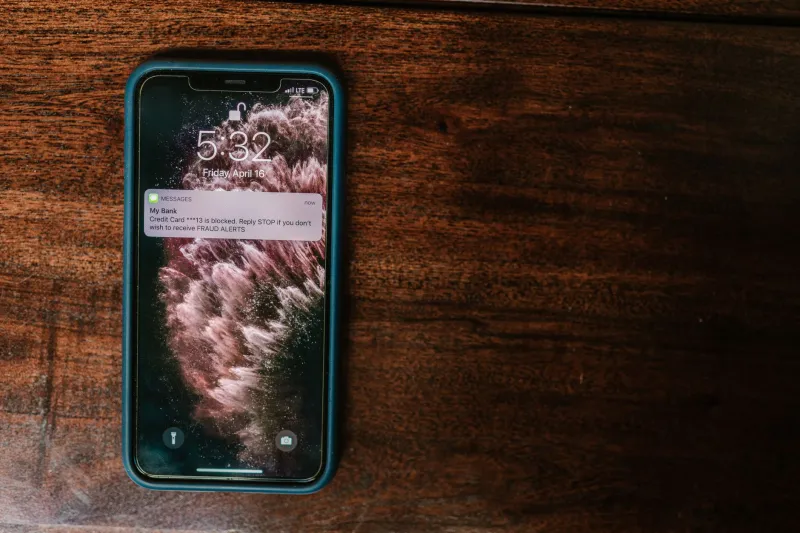
The $5 Trap: Doing the Real Math on Black Friday Coin Bundles
Black Friday lands on November 27 this year, and by the time you read this, half the games on your phone will be waving a banner at you: 300% bonus coins, 500% bonus coins, a bundle that is allegedly worth $79.99 marked down to $4.99. Some of those offers are genuinely decent. Plenty are built to look better than they are.
This is not a lecture about never spending money on a game you enjoy. If a bundle is a fair deal, buy it and have fun. The goal here is narrower: give you the arithmetic to tell the two apart in under a minute, before the countdown timer does the thinking for you.
Why 'Bonus' Is a Math Word, Not a Gift Word
A bonus percentage tells you one thing only — how much extra coin volume the seller is adding on top of the base amount. It says nothing about what those coins are worth to you.
Four hundred percent bonus on a small base is a smaller pile than one hundred percent on a big one. And a coin that expires in three weeks, or that cannot be spent until you cross a redemption threshold, can be worth dramatically less than its face number. The percentage is the marketing. The usable balance is the product.
The Three Numbers That Decide Whether It's a Deal
Every coin bundle hides three figures. Find all three before checkout, and the offer stops being mysterious.
- The redemption rate. How many coins equal one dollar of real value? Most reward programs bury this in a help page: 1,000 coins per $1 gift card, or 100 coins per $1 of in-game credit. Divide the bundle's total coin count by that number and you have a dollar figure. That is the only honest price tag.
- The threshold. Many programs will not let you cash out below a floor — say 10,000 coins. A bundle that drops you to 8,500 coins has technically given you nothing yet. It has moved you closer, assuming the coins survive long enough to get there.
- The expiration clock. This is where bonus coins usually get sneaky. A common pattern: purchased coins last a year, bonus coins last 30 days, and the bonus is the majority of the pile. Read the fine print in the bundle description, not the splash banner.
A Worked Example Using Round Numbers
Say a bundle offers 600 base coins plus a 500% bonus, so 3,600 coins total, for $4.99. The store's redemption rate is 1,000 coins to $1. That makes the pile worth about $3.60 at full use. You just paid $4.99 for $3.60 of redemption value — a loss, unless you were going to buy coins anyway and the extra volume helps you cross a threshold you were already chasing.
Now add the fine print: the 3,000 bonus coins expire in 30 days, and free-to-play earning in that game runs about 120 coins a day. Thirty days of grinding gets you 3,600 more, so you would land near 7,200 — still short of a 10,000 threshold. Unless you buy again, the bonus evaporates and you are left with 600 base coins and a $4.99 receipt.
Run the same offer through a second game where the threshold is 2,500 coins and the bonus lasts 90 days. Suddenly the same bundle is close to break-even, and possibly a small win. Identical marketing, wildly different outcomes. The banner never tells you which one you are looking at.
Pressure Tactics to Recognize on Sight
Black Friday weekend is a pressure laboratory. These are the patterns worth naming out loud:
- Countdown timers that reset. Reload the page. If the clock starts over, it was never a deadline.
- 'Only 3 bundles left.' Digital coin bundles do not have inventory. This is theater.
- Anchor pricing. 'Worth $79.99' is a number the seller invented. Only the price you pay and the coins you can actually redeem matter.
- The upsell ladder. 'Spend $2 more to unlock the mega tier' is designed to make the smaller purchase feel like a waste. It is not.
- Bonus coins that quietly exclude threshold progress. Some programs count only purchased coins toward redemption tiers. That detail changes everything and is usually buried in a footnote.
- Push notifications after you close the app. Urgency delivered to your lock screen is not new information.
Comparing It With What's Actually Free
The honest comparison for any paid bundle is not the next bundle up. It is the free stuff you are probably ignoring. Seasonal promos around Thanksgiving and through December typically include daily login streaks, event currency that converts to coins, newsletter or community codes, and limited-time quests with coin payouts. None of it costs a dime, and all of it counts toward the same thresholds.
A bundle that saves you three weeks of grinding might be worth $5 to you. A bundle that saves you four days is probably not — especially when a holiday event is handing out coins for logging in.
The other free lever is timing. If you are within striking distance of a redemption threshold in late November, hold off a week. Holiday coin drops often close the gap, and then your existing balance does the work for you.
The One-Sentence Rule Before Checkout
Divide total coins by the redemption rate, subtract any portion you will not realistically spend before it expires, and ask whether the remaining dollar value beats the price. If it does not, close the store tab and go claim your free daily coins instead.
That is the whole test. No spreadsheet required, no generator, no third-party site promising to multiply your balance. Bundles are a purchase, not a shortcut — and once you can price them in real dollars, the trapdoors are easy to spot from the outside.