Small Card, Big Leak: The Redemption Math Reward Apps Hope You Skip
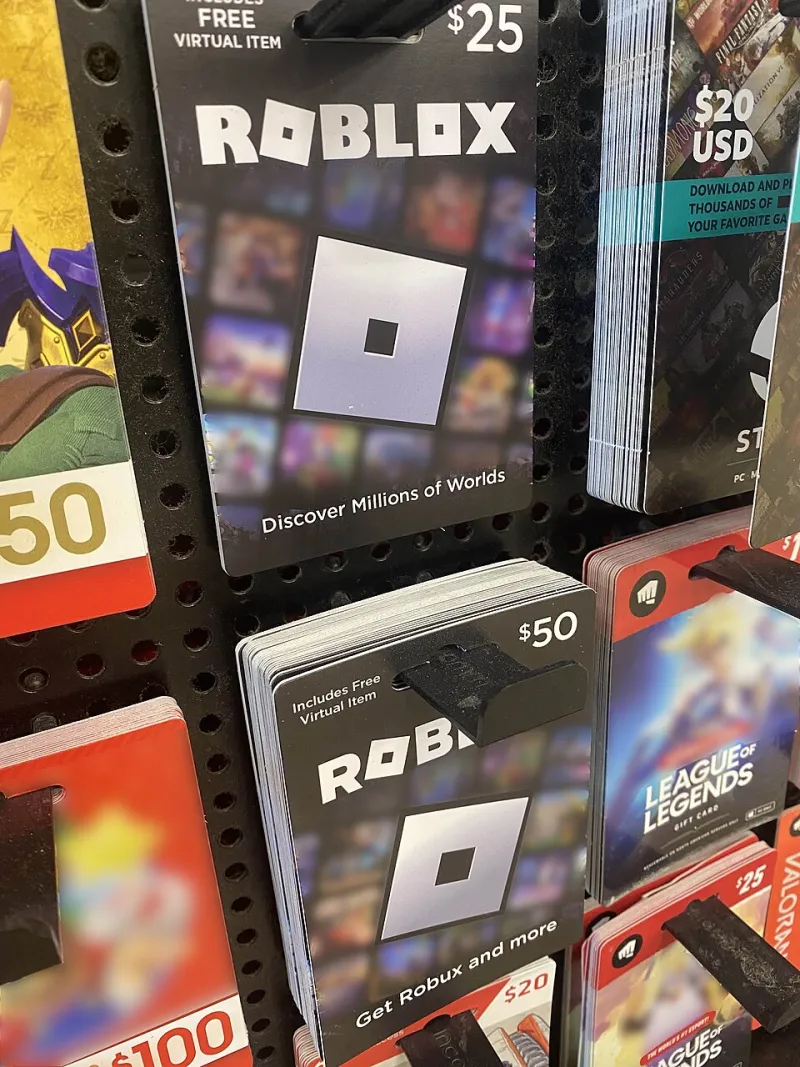
Photo: 3df, CC BY-SA 4.0, via Wikimedia Commons
At FreeCoins.info, we spend a lot of time on the unglamorous part of rewards: the cash-out screen. That is where a cheerful balance can turn into a shrug. In November 2026, most reward apps still use tiered gift card catalogs, and the tiers are not always built to reward patience. Sometimes the bigger card is the smarter buy. Sometimes it is a trap. The trick is ignoring the dollar amount printed on the card and looking at the coins leaving your account.
The Small-Card Penalty Is Real
Picture two paths to a $10 purchase. The $5 card costs 4,700 coins, so two cards cost 9,400 coins. The $10 card costs 9,000. Same spending power, 400 extra coins for the small-card route. That is the penalty in miniature. It gets worse if the app limits how many gift cards you can redeem per week or if the merchant only accepts one card per order. You saved nothing by cashing out early; you paid a convenience tax.
Now reverse it. Maybe the $10 card costs 9,000 coins and the $25 card costs 24,000. That is 900 coins per dollar versus 960 coins per dollar. The bigger card is the worse deal. This is why the lazy rule of always save for the biggest card is just as unreliable as always grabbing the smallest one. A reward catalog is not a bulk store. It is a menu with uneven pricing, and the app is hoping you order by habit.
Expiration and Dormancy: The Fine Print That Eats the Difference
A gift card is not cash. It is a promise with terms attached. Some promotional or virtual reward cards arrive with a use-by date. Others may sit quietly until a dormancy or inactivity fee starts nibbling the balance, depending on the issuer and your state. Before you redeem, find the issuer terms and look for three things: the expiration date, any monthly inactivity fee, and the replacement policy if the card is lost or the code fails.
Here is the practical version. If a $10 card expires in 60 days but your planned purchase is 90 days away, that card is worth less to you than a $5 card you can use this week. If a $25 card has a dormancy fee that starts after a few months, the extra value can leak away while you wait for the right sale. The sticker value is not the real value. The real value is what you can actually spend before the rules start charging rent.
Partial Redemption Is Not Always a Life Raft
Partial redemption sounds nice: use $5 now, use the remainder later. In practice, checkout flows are messier than the brochure. Some merchants let you split payment between a gift card and a credit card. Some let you use multiple gift cards in one order. Others allow one card per order, or they block split payments online but allow them in store. A leftover balance can get stranded below the minimum purchase. A $10 card with $1.50 left is not $1.50 in your pocket if the cheapest item is $3.
That matters most with small cards. Two $5 cards can leave you juggling codes at checkout, and some stores will not accept both. One $10 card is simpler to use. The less glamorous point is that convenience has a coin price. You want to know that price before you redeem, not after you are standing in a checkout line with a code that will not combine.
Waiting Has a Price, Too
Do not let the fear of a bad ratio push you into a worse decision. If the larger card requires 2,000 more coins and your coin balance expires in 10 days, waiting is not free. Check the expiration on your coin balance and any pending rewards. A slightly worse ratio you can redeem today may beat a perfect ratio that vanishes next week. On the other hand, if your coins are stable and you have a planned purchase, waiting for a better tier can work. Do the math, not the vibes.
The Side-by-Side Checklist
Before you tap redeem, compare at least three options in a notes app. Write down:
- The coin cost and the coins-per-dollar rate
- The cash value after any fees
- The card expiration date
- The dormancy or inactivity fee schedule
- Whether the merchant allows split payments
- Whether the checkout accepts more than one gift card per order
- Any exclusions, minimum purchases, or restricted categories
- Redemption limits per account or per month
- Delivery time for virtual cards
- The replacement policy if a code fails
- The expiration date on your coin balance
The goal is not to find the perfect card. The goal is to avoid the card that looks simple and costs you extra coins, stranded balances, or a fee you did not read about.
A Quick 2026 Example
You have 9,200 coins and want a $10 purchase. The $5 card costs 4,700 coins, so two cards would cost 9,400. You cannot afford that today. The $10 card costs 9,000 coins and leaves 200. The $20 card costs 19,500 coins, which is out of reach. The $10 card is the clear move, even though the $5 card has a similar per-dollar rate, because the small-card route does not get you to $10 without waiting and spending more coins.
Now change the catalog. Suppose the $20 card costs 18,000 coins. That is 900 coins per dollar, better than the $10 card at 9,000 for 900 coins per dollar. Wait, those are the same. Fine, suppose the $20 card costs 17,000, or 850 coins per dollar. Now the bigger card is the better rate, but only if you can reach it before your coins expire and only if you have a real use for $20. A better rate on a card you cannot use is not a better deal. It is a longer wait with more risk.
The Bottom Line
Reward apps count on users tapping the first card in the list. Slow down. Compare the coin cost, the issuer terms, the expiration window, and your actual purchase plan. A smaller card can be the right call when you need a quick, low-risk cash-out. It can also be the expensive call when it forces you to redeem twice, lose coins to a tier gap, or leave a balance stranded below a minimum purchase. In 2026, the safe move is the boring one: read the terms, do the division, and pick the card that fits the purchase you already have in mind.